The Lineages / The Paths
Juan often recounts how he came into contact with the paqos of Cuzco. He was in the middle of an academic study related to the structure of the Inca empire when he met a 4th level paqo, don Benito Qoriwaman, from whom first he, and soon after Ivan, learned the Kausay Puryi teachings.
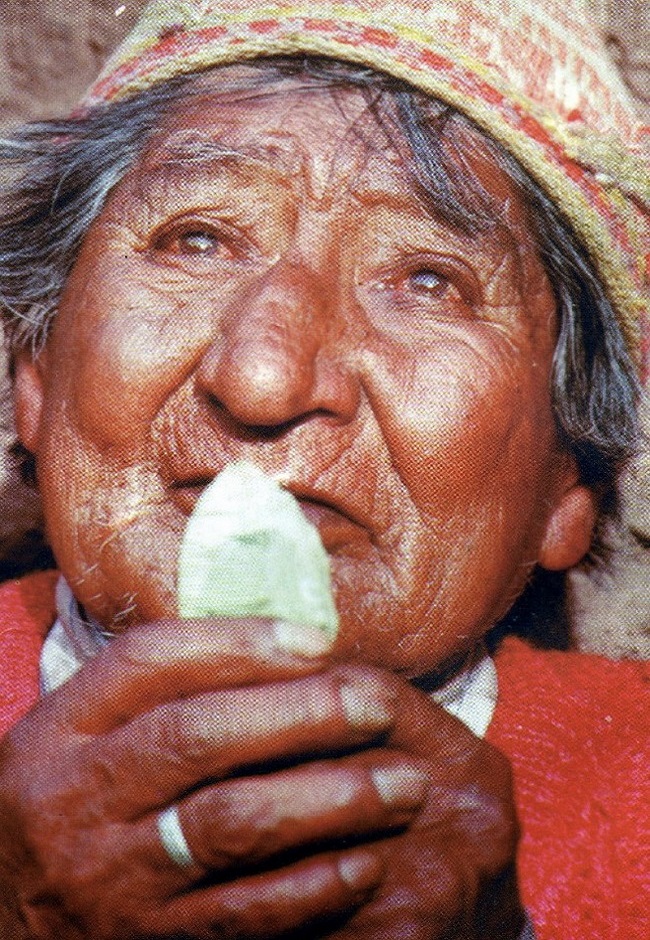
don Benito Qoriwaman
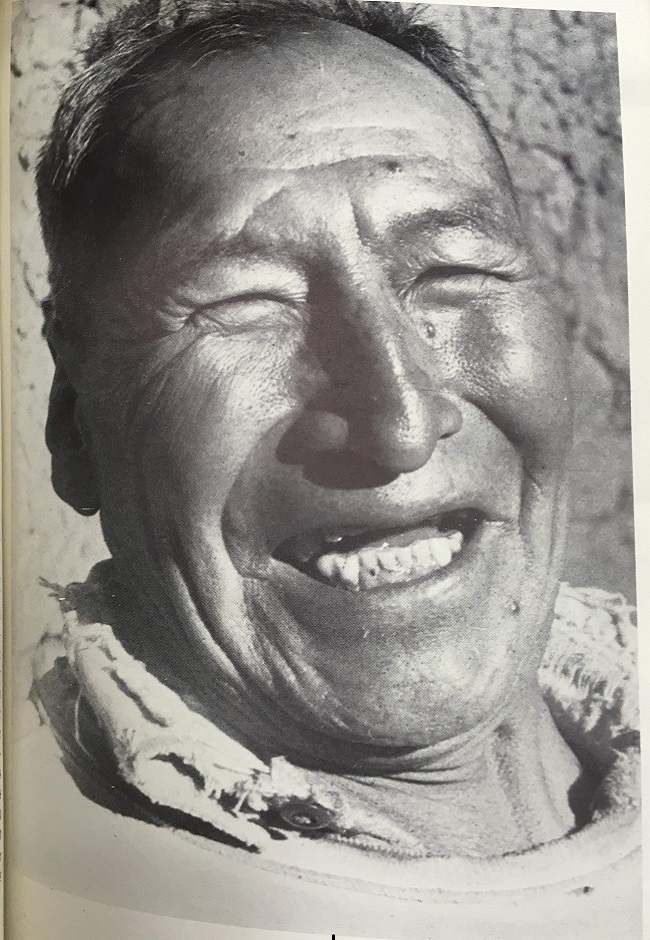
don Melchor Deza
Afterwards they apprenticed with don Melchor Deza and don Andres Espinosa; also among their teachers was don Mariano Quispe and more.
Juan and Ivan pass on to each of their students these teachings through their misha.
The teaching’s lineages of teachers is likened to a furrow created when planting seeds, and thus the connection to Kausay Puryi’s teachings lead from the great masters of the past, to the younger students.
| Lineage of Cusco
Huascar Inca … Manuel Pinta Julian Chayayku Benito Qoriwaman Juan Nunez del Prado Ivan Nunez del Prado |
Lineage of the Q’eros
Inkari … Garavillo Quispe Dionisio Machaqa Andres Espinoza Juan Nunez del Prado Ivan Nunez del Prado |
Juan and Ivan have classified the teaching into Three Paths so that it can be taught more easily, in a concise yet comprehensive form, as follows:
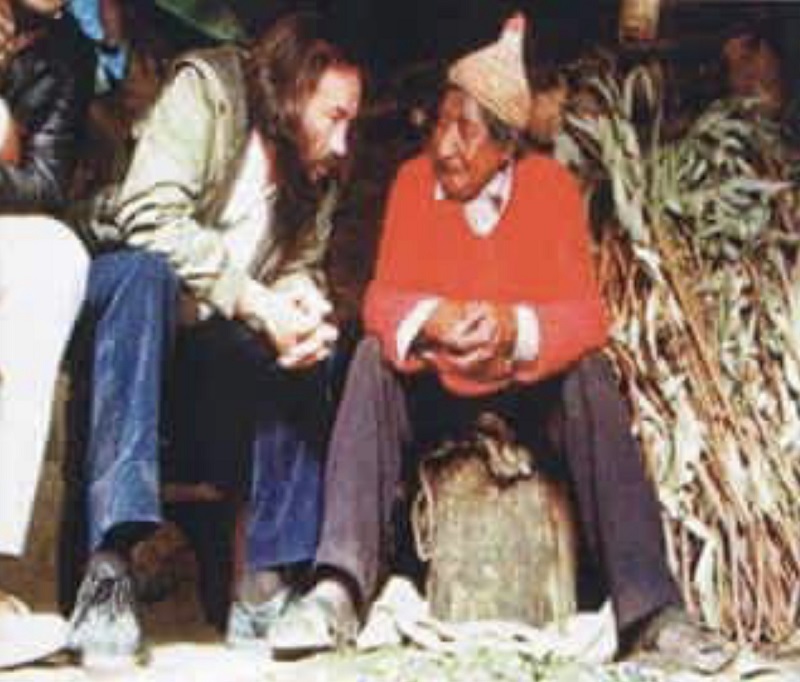
Right Path (Phaña). The path of the mystic that aims to train the student to connect with nature, the metaphysical, the divine. To communicate directly, using his external and internal senses.
Left Path. (Lloqe) The “magic” path, which is intended to train the student in healing but also finding solutions internally, using the energy itself and the ability to connect and communicate.
Middle Path. (Chaupi) The bridge, the path of love, which aims to create new conditions for the formation of relationships and everyday life, since it is based on the control of emotions and the guidance of energy. The system of internal anatomy.
Apprenticing under tata-Lorenzo, an authentic yatiri of Bolivia, Juan and Ivan added to their teachings a fourth Path, which, including elements related to the goals of all the Three Paths, constitutes a set of “advanced” practices.